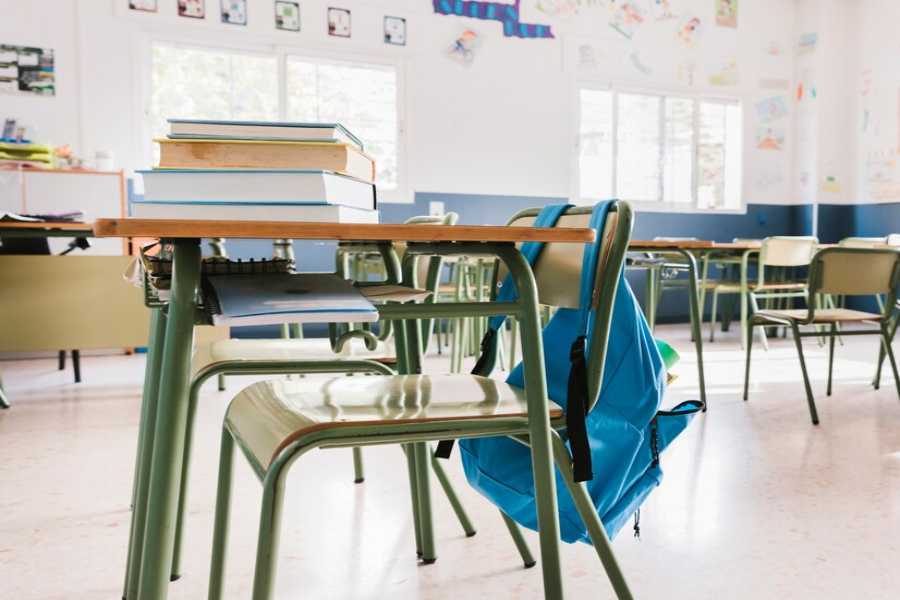
Independent learning in the classroom is an educational approach that empowers students to take responsibility for their learning. It involves self-directed study, critical thinking, and problem-solving, encouraging students to become lifelong learners. This method shifts the teacher’s role from an instructor to a facilitator, providing guidance rather than direct instruction.
Many educators and researchers emphasize the importance of independent learning as it enhances student engagement, motivation, and performance. In today’s digital world, where information is readily accessible, fostering independent learning is crucial. Students who develop these skills are better equipped to navigate the complexities of higher education and professional life.
This article will explore what is independent learning in the classroom, its benefits, strategies, and challenges, and how teachers can effectively implement it to maximize student success.
What is Independent Learning in the Classroom?
Independent learning in the classroom is a student-focused method where learners set goals, manage tasks, and build problem-solving skills while teachers guide and support their progress.
The Power of Independent Learning: What You Need to Know
Independent learning in the classroom is a modern educational approach that transforms traditional teaching methods by empowering students to take control of their learning. It promotes self-motivation, responsibility, and critical thinking, allowing students to engage more actively in their education. Unlike conventional teacher-led instruction, independent learning fosters self-discipline and problem-solving skills, essential for both academic success and personal growth.
At the heart of independent learning is student autonomy. When learners are given the flexibility to explore subjects at their own pace, they develop curiosity and a deeper understanding of concepts rather than simply memorizing facts. This approach encourages students to take initiative, seek knowledge proactively, and become lifelong learners.
Teachers play a crucial role in facilitating independent learning. Instead of being the primary source of information, educators act as mentors, guiding students in setting goals, selecting resources, and evaluating their progress. This creates a supportive environment while still allowing students to develop independence.
Technology further enhances independent learning by providing access to vast online resources, digital libraries, and interactive tools. However, challenges such as time management and self-discipline can arise. With structured support and encouragement, independent learning prepares students for higher education and future career success.
Core Principles of Independent Learning
Self-Motivation
Self-motivation drives independent learning. Students who take charge of their studies build an inner desire to learn and grow beyond classroom expectations. When genuine interest develops, learners seek extra resources, dive deeper into subjects, and push their academic limits. This mindset supports continuous growth and builds long-lasting confidence.
Time Management Skills
Strong time management is essential for independent learners. Without constant supervision, students must plan tasks, set priorities, and follow schedules that balance multiple subjects. These habits help them complete work efficiently while maintaining steady progress. Teachers can guide this process by sharing planning strategies and encouraging simple, manageable study routines.
Critical Thinking and Problem-Solving
Independent learning strengthens critical thinking. Students review information carefully, judge reliability, and form their own conclusions. These skills support academic success and prepare learners for real-life situations that require sound decisions and analytical thinking.
Teacher’s Role as a Facilitator
Teachers act as guides rather than direct instructors. They provide resources, feedback, and steady support while allowing students to make choices and track progress. This balance builds independence and responsibility.
Use of Technology in Learning
Technology enriches independent learning. Online tools, digital materials, and interactive resources give students flexible access to information, helping them study at their own pace and strengthen understanding across subjects.
Benefits of Independent Learning
- Enhances Critical Thinking – Independent learning encourages students to analyse information critically rather than passively accept it. By researching, questioning, and evaluating different perspectives, learners develop the ability to form their own opinions and make informed decisions. This skill is essential not only in academics but also in real-world problem-solving.
- Encourages Self-Discipline – One of the most valuable aspects of independent learning is the development of self-discipline. Without constant supervision, students must learn to take responsibility for their education, manage their time effectively, and stay committed to their learning goals. This fosters a sense of accountability and perseverance that benefits them in both academic and professional settings.
- Boosts Confidence – When students take control of their learning journey, they build confidence in their abilities. Successfully acquiring new knowledge and solving problems independently reinforces a sense of achievement, increasing self-esteem and motivation to tackle more complex challenges.
- Prepares for Higher Education – Independent learning is a critical skill for students transitioning to college and beyond. Higher education demands self-directed study, research, and time management. Students who develop these skills early find it easier to adapt to the academic expectations of universities and professional environments.
- Promotes Lifelong Learning – A major advantage of independent learning is that it instils a lifelong love for knowledge. When students learn how to explore topics on their own, they cultivate curiosity and a desire for continuous education, ensuring personal and professional growth throughout their lives.
Challenges and How to Overcome Them
Even with clear benefits, independent learning brings challenges that students and educators must handle carefully. When discussing What Is Independent Learning in the Classroom, it’s important to recognize the common obstacles that can affect progress.
A frequent challenge is weak self-discipline. Without regular reminders, some students may delay tasks or lose focus. Teachers can help by teaching simple time management habits, encouraging short goals, and guiding students to build steady routines.
Limited access to learning tools can also create barriers. Not all learners have equal digital resources, so schools should provide libraries, reliable internet access, and essential study materials to support every student.
Self-motivation is another area where some learners struggle. Educators can strengthen motivation by using engaging class activities, giving clear feedback, and acknowledging student progress. Peer collaboration also boosts confidence and keeps students involved.
By addressing these challenges with practical strategies, educators can build a supportive environment where independent learning thrives and students develop strong long-term skills.
How to Implement Independent Learning in the Classroom
- Setting Clear Learning Goals: One of the first steps in fostering independent learning is helping students set clear, realistic, and achievable learning objectives. Teachers should guide students in defining specific goals that align with their academic interests and capabilities. By setting well-structured objectives, learners can stay focused and motivated while tracking their progress effectively.
- Providing Access to Resources: Independent learning thrives when students have access to diverse learning materials. Teachers should ensure that students can utilize a variety of resources, including textbooks, online research materials, multimedia content, and interactive learning tools. By offering multiple sources of information, students can explore subjects more deeply and develop a well-rounded understanding of the topics they study.
- Encouraging Reflection and Self-Assessment: Self-assessment is a crucial part of independent learning. Students should regularly evaluate their progress to recognize their strengths and identify areas where improvement is needed. Teachers can encourage this by implementing self-reflection exercises, peer reviews, or self-assessment checklists. This process helps learners take ownership of their education and make informed adjustments to their study strategies.
- Creating a Supportive Environment: While independent learning emphasizes student autonomy, a supportive learning environment is essential. Teachers should offer guidance, encouragement, and constructive feedback while allowing students to take charge of their education. By balancing independence with structured support, educators can ensure that students remain motivated and on track with their learning journey.
- Using Technology to Enhance Learning: Digital platforms and educational technology can significantly enhance independent learning experiences. Online courses, virtual study tools, e-books, and interactive apps enable students to learn at their own pace while engaging with content in dynamic ways. Integrating technology into the learning process makes education more accessible, interactive, and effective for independent learners.
In Closing
Knowing What Is Independent Learning in the Classroom shows how valuable this approach is for today’s learners. It strengthens critical thinking, builds independence, and helps students handle challenges with confidence. When teachers shift into a guiding role, learners manage tasks, set goals, and take responsibility for steady progress. With digital tools and flexible methods, classrooms become places where students grow at their own pace and develop strong academic habits. Independent learning also supports future career needs by promoting adaptability and solid problem-solving skills. This approach helps students build a foundation that benefits them long after school.
FAQ’s
Why is independent learning important?
Independent learning helps students develop problem-solving skills, boosts confidence, and prepares them for higher education and career success.
How can teachers support independent learning?
Teachers can provide guidance, resources, and feedback while encouraging students to set their own goals and manage their study schedules.
What challenges do students face in independent learning?
Common challenges include a lack of self-discipline, difficulty accessing resources, and low motivation.
How does technology support independent learning?
Digital tools such as e-books, online courses, and educational apps make learning more engaging and accessible.
What are the key characteristics of an independent learner?
Independent learners are self-motivated, disciplined, curious, and capable of critical thinking and problem-solving.